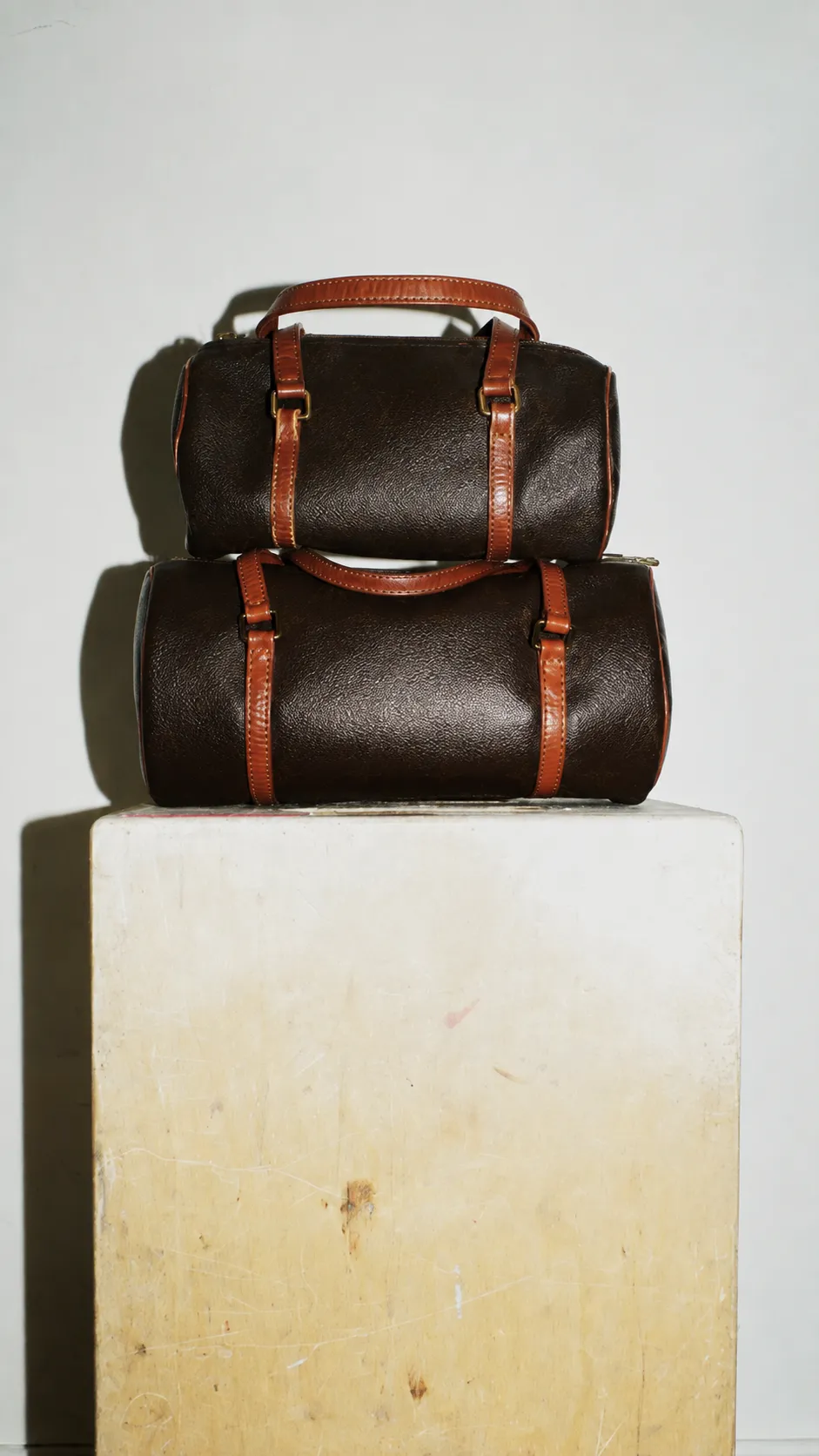
Luxury Leather Goods Growth Strategy
Leather Goods / Luxury
- Method
- Qualitative / in-depth interviews, pre-task photo elicitation, brand & purchase journey analysis
- Sample
- 18 fashion-conscious women across three luxury consumer segments
- Output
- Growth opportunities, competitive positioning, consumer strategy & purchase journey optimization
Context & business challenge
Taiwan’s luxury market was becoming increasingly selective, as rising prices, changing lifestyles, and competing priorities such as travel and investment raised consumers’ expectations of value.
Luxury leather goods were facing particular pressure, as established collections reduced the need for another bag and consumers increasingly favored fewer, more versatile purchases.
The business challenge was to identify where future growth could come from and how a leading luxury house could strengthen consideration and conversion in Taiwan.
Research objectives
- Identify where to play by understanding shifts in luxury spending and the most attractive consumer and category opportunities.
- Determine how to win by assessing brand positioning, competitive perceptions, and emerging codes of contemporary luxury.
- Understand how to convert by identifying barriers and opportunities across the leather goods purchase journey.
Approach
- 18 in-depth interviews with three strategically distinct consumer groups: lapsed top-tier luxury buyers, alternative luxury buyers, and accessible luxury buyers across Gen Z, Y, and X.
- Pre-task photo elicitation and journey-based interviews explored personal style, luxury collections, brand perceptions, competitive choices, and purchase behavior from discovery through purchase.
Key insights
-
Luxury leather goods were losing urgency rather than relevance altogether. Consumers still valued luxury, but existing bag collections, higher prices, and stronger alternatives such as travel and hard luxury meant another handbag needed to offer significantly more incremental value.
-
The definition of desirable luxury was shifting toward understated personal expression. Relaxed silhouettes, subtle branding, versatility, craftsmanship, and everyday usability increasingly felt more contemporary than conspicuous status signaling.
-
The brand retained strong luxury authority but had a contemporary relevance gap. Heritage, recognition, durability, and iconic products remained powerful equities, while mature imagery and monogram-led associations created distance from consumers’ current tastes.
-
Contemporary products already existed within the portfolio, but were not defining brand perception. Familiar classics dominated mental availability, limiting consumers’ awareness of softer, quieter, and more versatile designs.
-
The brand lost momentum across the purchase journey before consumers reached the store. Limited contemporary discovery, weak lifestyle relevance, and negative product signals could compound during exploration and evaluation even when overall brand respect remained high.
Recommendations
- Reignite desire without sacrificing luxury authority. Make contemporary products more visible by leading with softer silhouettes, quieter branding, versatility, and strong everyday relevance rather than dominating exposure with familiar monogram classics.
- Tailor the growth proposition by consumer segment. Create novelty for lapsed luxury owners, strengthen design-led desirability for alternative luxury consumers, and provide clearer proof of value for consumers trading between accessible and top-tier luxury.
- Translate contemporary relevance consistently across the purchase journey, using relatable styling, stronger ambassador and KOL fit, digital product discovery, visual merchandising, and more consultative in-store guidance.